Loading page
Loading


Battery storage
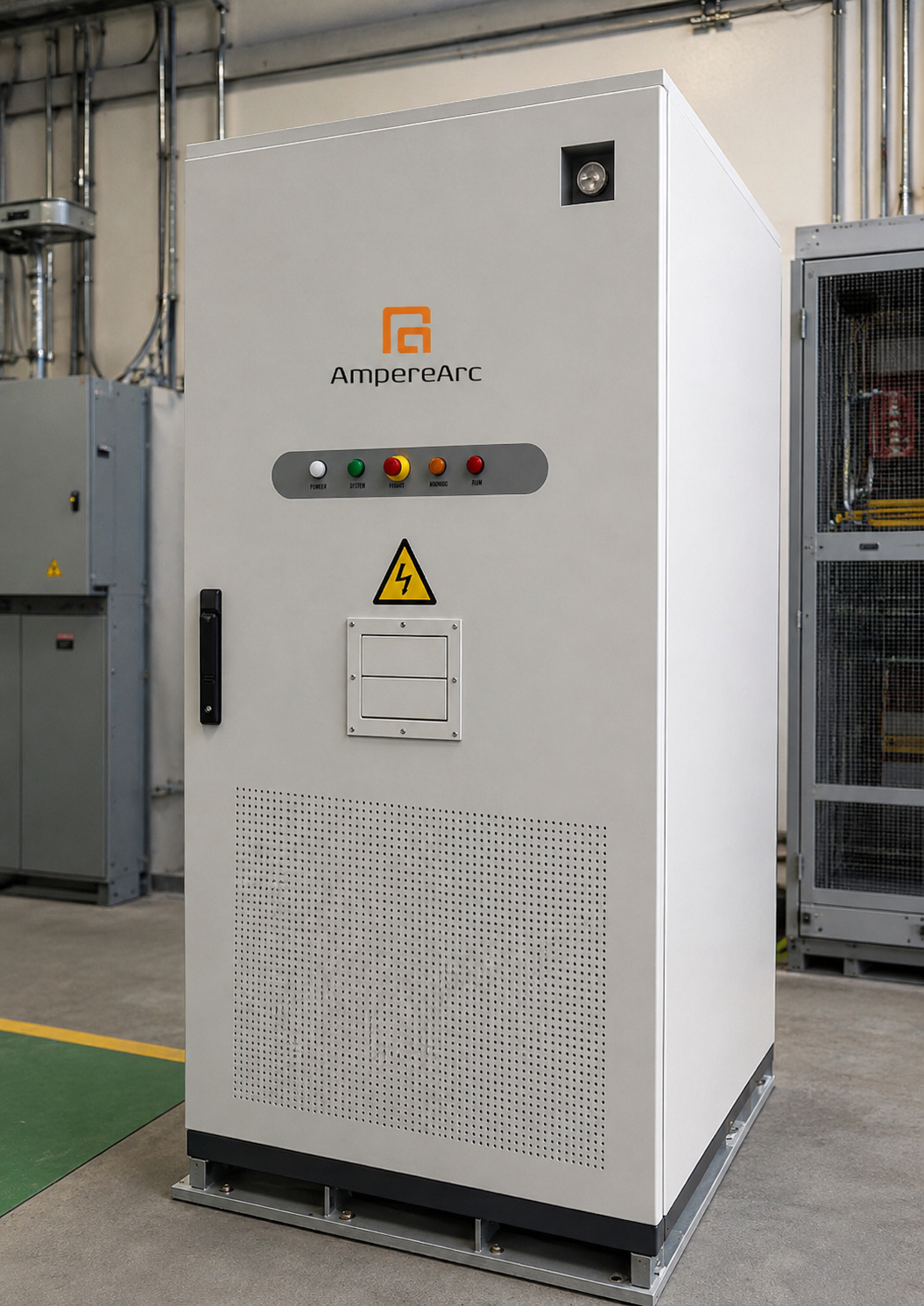
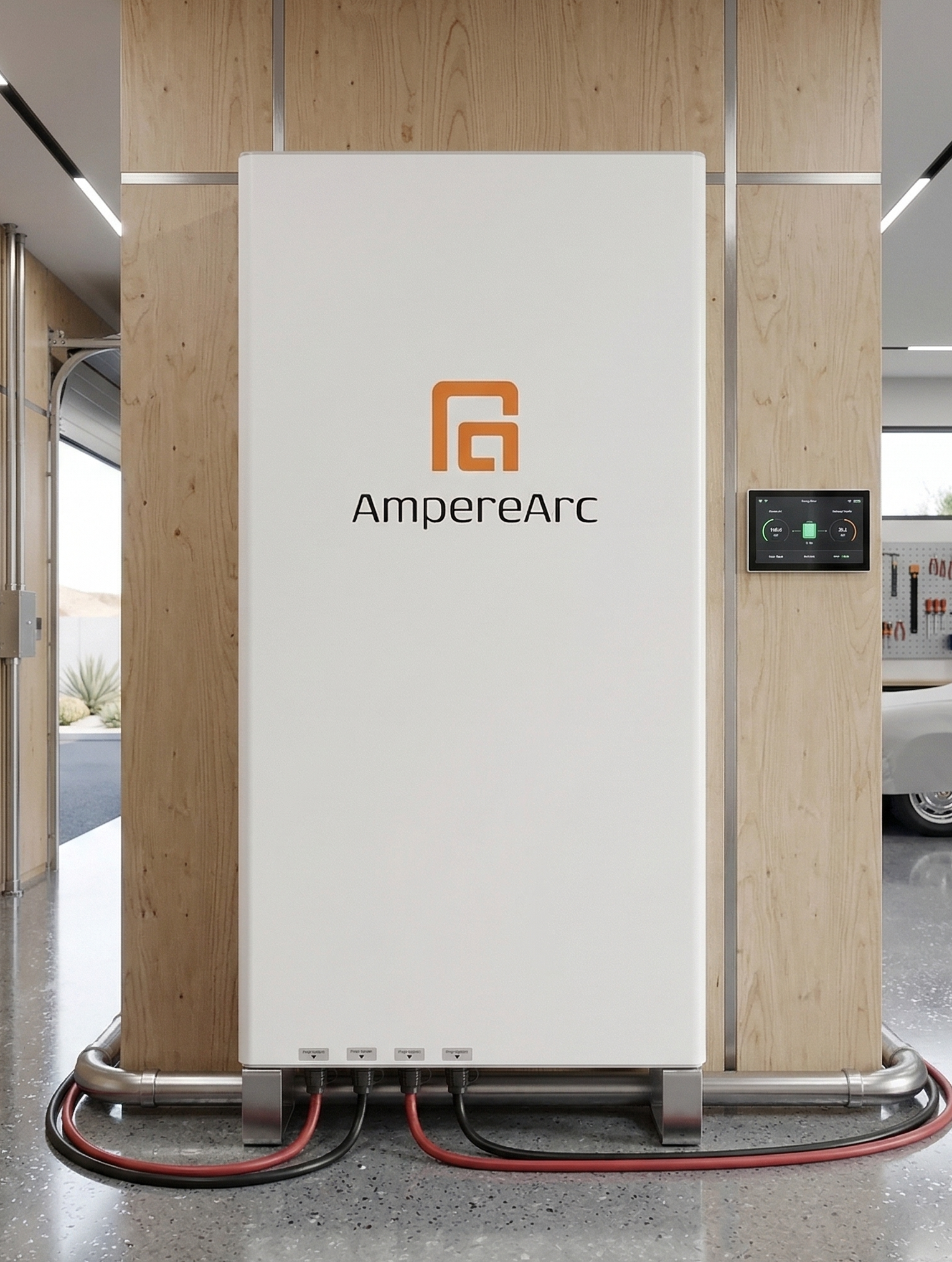
Floor-standing LiFePO4 storage for whole-house backup and light-commercial load shifting: 16.07 kWh rated, 14.46 kWh usable at 51.2 V, rated 4,000 – 6,000 cycles. 150 A charge, 200 A discharge, natural cooling, indoor stand-alone. Up to 16 units in parallel on one bus with a single BMS view over CAN or RS485.
The PDF carries the same figures as the specification below, in a form you can send to a designer or attach to a tender.
A quote starts with the site rather than the part number: the incoming supply, the loads that matter, and what has to stay on when the grid goes. Name BL16 in your message so the reply starts from this unit rather than the range — or email us about this unit and the code travels with the subject line.
Specification
Every value below is read from the published datasheet linked above. Where this page and the datasheet ever disagree, the datasheet is correct.
Specifications may change. The current datasheet carries the binding values.
Same line, same discipline, a different size of problem. LiFePO4 packs from a 5 kWh wall unit to a 125 kWh cabinet. Same chemistry, same BMS discipline, three sizes of problem.
The rest of the system
Cells store energy; they cannot convert it or decide when to move it. The pairings below are worked out from the published figures on both units — what this pack can sustain against what each inverter asks for — and the arithmetic is printed so you can check it.
Pairings are worked out from the published figures on both units — continuous discharge against rated power, the supply phases, and the interfaces they have in common. They are a starting point, not a sign-off: the final combination is confirmed against your incomer and your loads at design stage.
BL16 is built by the same company that measures the incomer, draws the single line, carries the network operator application, installs the system and comes back to it. One accountable chain from cell to commissioning certificate, and one number to ring when something needs looking at.